rm command in Linux
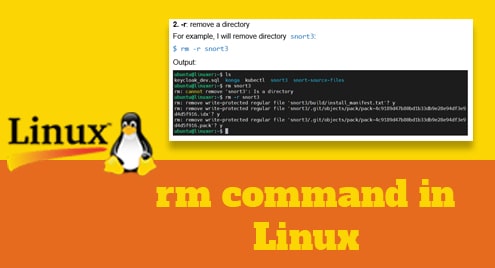
Introduction rm stands for remove. It is a command that allows you to remove files, folders, symlinks from the system. Deleted files and folders will not be moved…
Read MoreIntroduction rm stands for remove. It is a command that allows you to remove files, folders, symlinks from the system. Deleted files and folders will not be moved…
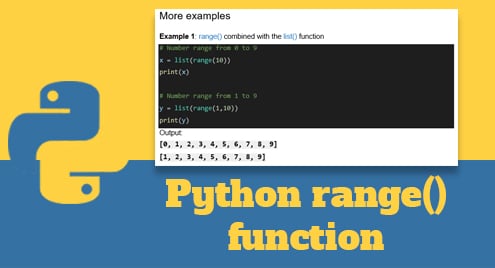
Read MoreIntroduction The range() function in Python prints out a string of numbers according to the start value, end value, and jump we entered. In Python2 version, it is…
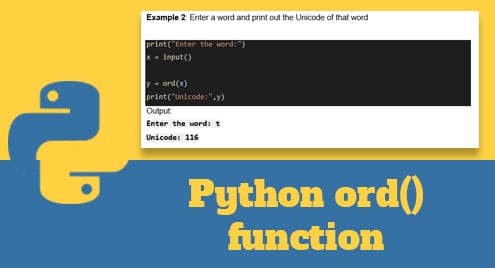
Read MoreIntroduction ord() function in Python prints out the Unicode code of a specified character. This function also accepts a string as an argument and prints out the corresponding…
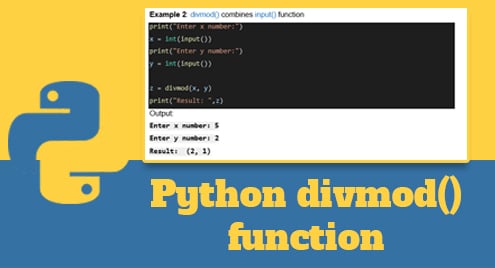
Read MoreIntroduction The divmod() function is used to divide and return the result as an integer and the remainder of the two entered numbers. This is a common math…
Read MoreIntroduction The map() function in Python is used to return the result as a map object without using an explicit for loop. It can handle iteration without a…
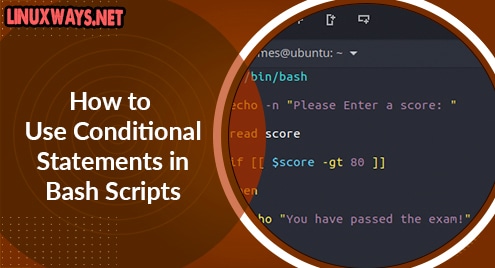
Read MoreIn bash scripting, conditional statements help in checking whether a specific condition is true or false. When the condition is true, the shell script runs or executes a…
Read MoreWhen working with python files in directories, it is recommended to use absolute file paths. However, if you are dealing with the relative paths then, you must have…
Read MoreGoogle Chrome – the browser that has drastically surged and has defeated all its competitors. The efficiency and speed of the browser is not the only thing that…
Read MoreThe last time we discussed asynchronous programming using Processes and Threads, here is a link to it. It is highly recommended to visit the article before reading this…
Read More